


Common Mistakes Georgian Companies Make When Hiring Developers
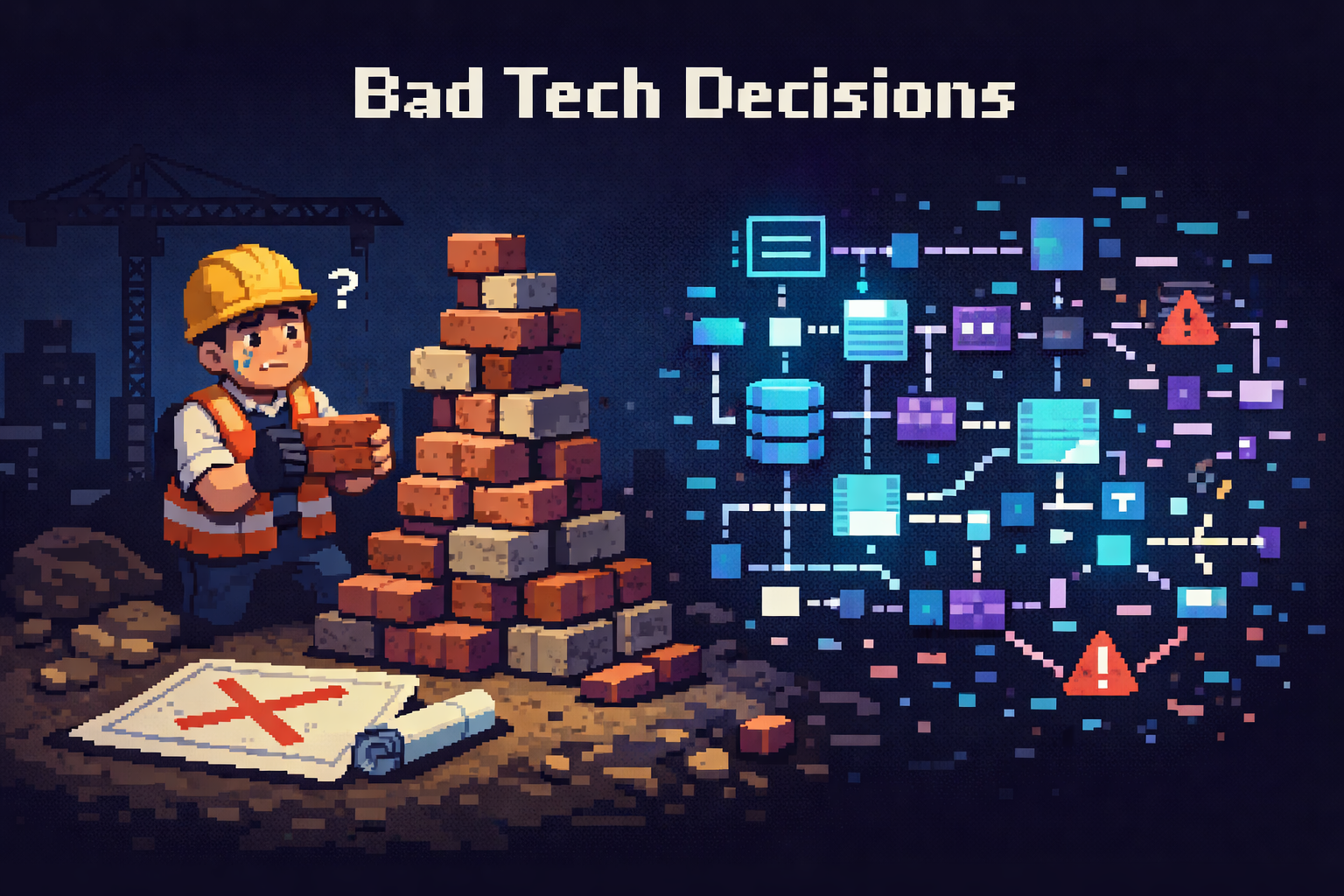
In recent years, more companies in Georgia have started investing in digital products — CRM systems, ERP platforms, internal tools, and automation. The intention is right: businesses want to grow, scale, and operate more efficiently.
However, many of these projects fail. Not because of technology, and not even because of developers.
They fail because of poor decisions made before development even begins.
Hiring developers is not just about finding someone who can write code. It’s about building the foundation of a system that your business will depend on for years. And that’s exactly where most companies get it wrong.
The Illusion of Saving Money
One of the most common mistakes is choosing developers based primarily on price. On the surface, it feels like a smart business decision — reduce costs, get the system built, move forward.
In reality, this often leads to the opposite outcome.
Low-cost development usually means shortcuts in architecture, lack of planning, and minimal attention to scalability. What starts as a “cheap solution” quickly turns into a system that is slow, fragile, and difficult to maintain. Within months, companies find themselves needing to rebuild everything from scratch.
The real cost is not in development — it’s in rebuilding.
Starting Without Clarity
Another major issue is the lack of clear requirements. Many companies approach developers with vague ideas like “we need a CRM” or “we want to automate our processes,” without fully understanding what those processes actually look like.
When there is no clarity, developers are forced to make assumptions. And assumptions in software development are expensive.
This leads to constant revisions, misaligned expectations, and systems that don’t truly solve the business problem. Instead of creating efficiency, the software becomes another layer of confusion.
Confusing Developers with System Architects
A common misconception is that any developer can design a complete business system. While developers are responsible for writing code, system design requires a different level of thinking — understanding workflows, scalability, data structure, and long-term impact.
Without proper architecture, even well-written code can result in a chaotic system.
Many Georgian companies skip this step entirely. They hire developers and expect them to “figure it out,” which often leads to software that works initially but collapses under growth.
Expecting One Person to Do Everything
Another frequent mistake is trying to replace an entire team with a single person. Companies expect one developer to handle backend, frontend, design, infrastructure, and sometimes even project management.
This approach rarely works.
Even highly skilled developers have specializations. When one person is responsible for everything, quality suffers, timelines stretch, and critical aspects of the system are overlooked.
Building serious business software requires a structured approach, not a one-person solution.
Automating Chaos Instead of Fixing It
Technology does not fix broken processes — it amplifies them.
Many companies rush into development without first analyzing how their business operates. They attempt to automate workflows that are already inefficient or unclear. As a result, the software simply digitizes existing problems instead of solving them.
The outcome is predictable: a system that feels complicated, frustrating, and underused by the team.
Short-Term Thinking
Some businesses approach software as a quick fix rather than a long-term investment. They focus only on solving immediate problems without considering how the system will evolve as the company grows.
This leads to rigid solutions that cannot scale.
Within a year, the system becomes outdated or requires major changes. What could have been built properly from the beginning turns into an ongoing cycle of fixes and patches.
Lack of Ownership and Control
In some cases, companies don’t even have full access to their own systems. The code, hosting, or infrastructure is controlled entirely by the developer or agency.
This creates dependency.
If the relationship ends, the business is left without control over its own software. This is not just a technical risk — it’s a business risk.
Focusing on Appearance Over Functionality
It’s natural to want a system that looks modern and clean. But many companies prioritize design over logic, performance, and structure.
A visually appealing system means very little if it doesn’t work efficiently.
Strong software is built from the inside out. The database, architecture, and workflows matter far more than colors and layouts.
No Plan After Launch
Launching the system is not the finish line — it’s the starting point.
Many companies fail to plan for maintenance, updates, and improvements. Over time, even good systems degrade without proper support. Bugs accumulate, performance drops, and new business needs remain unaddressed.
Software is not a one-time project. It’s an evolving asset.
Conclusion
Most Georgian companies don’t fail at digital transformation because of bad developers. They fail because of the way they approach hiring and decision-making.
Building software is not just a technical task — it’s a strategic one.
The companies that succeed are not the ones that spend the least, but the ones that think ahead, plan properly, and treat software as a core part of their business, not just a tool.
More Articles
Show All Articles →
How We Built a CRM for a UK Construction Company (Case Study)
Custom CRM for a UK construction company: streamline leads, quotes, orders, and finances with a system built for real wo...

What Does a Well-Structured Digital Infrastructure Look Like in a Business?
Learn what a well-structured digital infrastructure looks like and how connected systems, automation, and data flow impr...
Why Some Companies Scale Smoothly While Others Break
Why some companies scale smoothly while others break. Discover how systems, structure, and software impact business grow...